Ornamental Metal Fencing: Aluminum, Steel, and Pool Enclosures
How aluminum and steel ornamental fence compare, and why open sightlines make metal the common pick around a pool.
September 15, 2026 · 3 min read
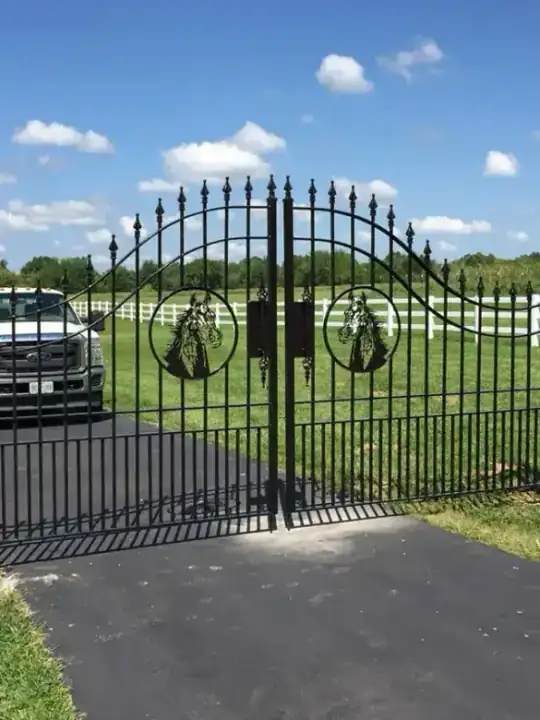
Two Metals, Two Different Trade-offs
Ornamental metal fence covers a range of looks, but the material decision underneath it usually comes down to aluminum or steel, and the two behave differently enough that it's worth understanding before picking a style off a brochure. AmeriStar and Centurion, the decorative metal lines CR Fence installs, are available in both.
Both give you the open, see-through look that solid wood or vinyl privacy panels don't, which matters for a front yard, a pool, or anywhere you want a defined boundary without blocking the view.
Aluminum: Won't Rust, Lighter to Work With
Ornamental aluminum doesn't rust, because it isn't iron-based, which makes it the lower-maintenance metal choice, particularly anywhere it's going to sit near sprinklers, a pool, or Missouri's humid summers. It's also lighter than steel, which can simplify installation on longer runs or around irregular terrain.
The trade-off is strength. Aluminum flexes more than steel under impact, so if the fence needs to stand up to real force, livestock leaning on it, a vehicle backing into it, steel is the sturdier answer.
Steel: More Weight, More Strength
Steel ornamental fence holds up to more physical stress and generally has a more substantial, heavier look and feel to it in person. It's a common choice for a driveway gate or anywhere the fence is doing more than a decorative job.
Because steel is iron-based, it needs a good finish to keep rust from starting, particularly at cut edges and welds. A quality powder coat finish handles that well for years, but it's a detail worth asking about rather than assuming every steel product is finished the same way.
Finishes and the Detail Work
Powder coating is the standard finish on both the AmeriStar and Centurion lines, and it's what gives ornamental metal its clean, consistent color and its resistance to chipping compared to a painted finish. It also opens up decorative options, finials, scrollwork, arched sections over a driveway gate, that give a metal fence a more custom look than a plain panel run.
Driveway gates in particular are where ornamental metal tends to shine, since the open sightline lets the decorative detail actually be seen from the street rather than hidden behind solid panels.
Living With a Metal Fence Day to Day
A powder-coated fence generally just needs an occasional rinse to keep pollen, dust, and lawn debris from building up along the base. A scratch or chip in the coating is worth touching up sooner rather than later on a steel fence in particular, since exposed steel underneath is where rust gets its start; on aluminum, a bare scratch is mostly cosmetic since the metal itself won't corrode.
Neither metal needs the kind of periodic restaining that a wood fence does, which is a big part of why homeowners choose ornamental metal for a front yard or entrance where they want a finished look without adding a maintenance chore to the calendar.
What's Included on a Metal Fence Install
CR Fence offers a free estimate for ornamental metal the same way it does for every other fence line, and every install carries a one-year workmanship warranty. The company is fully licensed and insured, and a military discount is available if that applies to your household.
Why Ornamental Metal Is the Usual Answer for a Pool
For a pool enclosure, ornamental metal is the common choice because it keeps the sightline open around the water while still providing a real physical barrier, which matters both for keeping an eye on swimmers and for meeting the kind of barrier requirements most pool owners run into. Aluminum in particular is popular here since it stands up well to splashed pool chemicals and constant moisture without rusting.
Pool fencing requirements vary by local jurisdiction, covering things like minimum height, self-closing and self-latching gate hardware, and gap spacing between pickets, so it's worth checking your specific local requirements before finalizing a design rather than assuming one standard applies everywhere.
- Confirm your local minimum height and picket spacing requirements before ordering
- Ask about self-closing, self-latching gate hardware for the pool gate specifically
- Aluminum is the common pick around pools for its resistance to moisture and chemicals
If you're weighing aluminum against steel, or you're planning a pool enclosure and want to talk through what your specific layout needs, CR Fence offers free estimates and can walk you through the AmeriStar and Centurion options in person. Call (660) 463-2597 to set one up.
CR Fence LLC, (660) 463-2597
Call (660) 463-2597More articles
Vinyl or Wood: Choosing a Privacy Fence in Missouri
The honest trade-off between a fence that needs upkeep and a fence that needs a bigger check upfront.
Fencing a Sloped Yard: What Changes and What to Ask
Ground that isn't flat changes how a fence gets built, and it's worth knowing the options before you pick a material.